
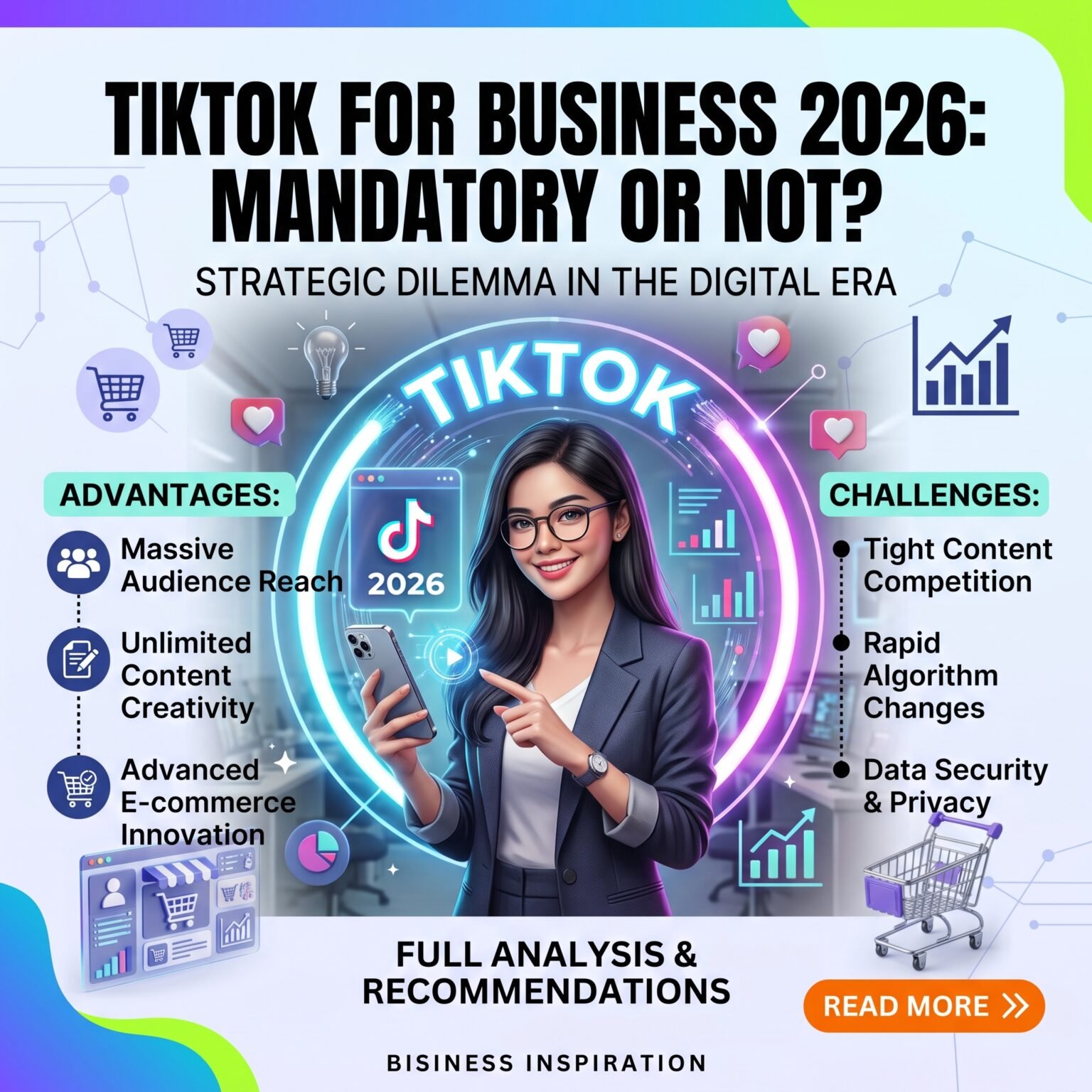
TikTok for Business: Is It a Must-Have in 2026?
If you’re still on the fence about putting your business on TikTok, you’re not alone. Owners tend to hesitate for two opposite reasons: fear of missing out, or the assumption that TikTok is just for entertainment, not serious selling.
Both can be true, depending on the business. Before you open an account, it’s worth breaking down what actually makes TikTok different, and whether that difference matters for you.
TikTok Isn’t Just Dance Videos
The core difference between TikTok and platforms like Instagram or Facebook is how content gets discovered. On most older platforms, your content mainly reaches people who already follow you. On TikTok, the For You Page can push a video to viewers who have never heard of your brand, as long as the content is engaging enough to hold attention.
That means a brand-new account with zero followers still has a real shot at reach. But it also means the content bar is different. Anything that feels like an ad usually gets skipped fast. What sticks is content that feels honest, gets to the point quickly, and is genuinely watchable even at a small scale.
Who Benefits, and Who Can Wait
Businesses with visual products, an interesting production process, or an impulse-friendly price point tend to see results from TikTok the fastest. Think food and beverage, fashion, beauty, or services with a clear before-and-after like pilates studios or aesthetic clinics.
On the other hand, B2B businesses with long sales cycles and multiple decision-makers usually won’t see instant results from TikTok. That doesn’t mean it’s off the table entirely, but it often makes more sense as a longer-term awareness layer while other channels carry the immediate pipeline.
If you’re unsure which camp you fall into, ask yourself one thing: does your process, product, or the results you deliver have something worth watching for 15 to 30 seconds? If yes, TikTok is worth testing.
The Most Common Mistakes
Three patterns tend to make businesses conclude “TikTok just isn’t for us”, when the real issue is execution:
Repurposing Instagram content as-is. Editing style, pacing, even how a video opens differ between the two platforms. Content that feels polished on Instagram often feels slow on TikTok.
Expecting instant results. Many businesses give up after two or three videos, when finding a content pattern that resonates usually takes sustained testing rather than one lucky post.
Inconsistency. Sporadic posting makes it harder for the algorithm to identify the right audience for your account, so performance tends to swing without a clear pattern.
How to Start Without Wasting Time or Budget
You don’t need a full production team or a big ad budget on day one. Three steps are enough to test the potential first:
Pick a few relevant content formats. Choose 3 to 4 formats that make sense for your business, such as behind-the-scenes production, before-and-after, or short testimonials.
Post consistently over a set period. Run those formats regularly and track which ones get a response and which don’t.
Evaluate before moving to ads. Once a format starts showing organic traction, that’s the point to consider paid promotion to widen reach toward the right audience. The decision becomes data-driven rather than a guess.
When It’s Time to Get Serious About TikTok
The clearest signal is when competitors or similar players in your industry start showing up and getting engagement on the platform. That’s proof your audience is already there, and it’s just a matter of who reaches them first and most consistently.
If you’re still unsure how to judge your own readiness, the Sentris team regularly helps business owners run a quick audit: looking at industry, target audience, and existing content, then recommending whether TikTok should be a priority now or can wait. If you’ve decided TikTok fits your business, the next step can be discussed through Sentris’s Social Media Management service, or message us on WhatsApp.